Ever spent an hour perfecting your nail art only to end up with a chaotic mess that looks more “craft project gone wrong” than “runway-ready”? You’re not alone. Eclectic nail styles—bold, mismatched, and creatively layered—have exploded in popularity, but without the right foundation, they can easily tip from avant-garde to amateurish. In this guide, we’ll walk you through how to master these expressive designs using nail templates, avoid common pitfalls, and turn your fingertips into wearable art that actually holds up.
Table of Contents
- Why Eclectic Nail Styles Demand More Than Just Glitter
- Step-by-Step Guide to Mastering Eclectic Designs with Templates
- Pro Tips for Polished Eclectic Results
- Real-World Results from Template-Driven Manicures
- FAQs About Eclectic Nail Styles and Templates
Key Takeaways
- Nail templates provide structure for otherwise chaotic eclectic nail styles.
- Less is more—overloading each nail leads to visual noise, not artistry.
- Dry time between layers is non-negotiable for clean lines.
- Using stencils incorrectly (e.g., reusing flimsy paper ones) ruins symmetry.
- Professional results come from planning, not impulse.
Why Eclectic Nail Styles Demand More Than Just Glitter
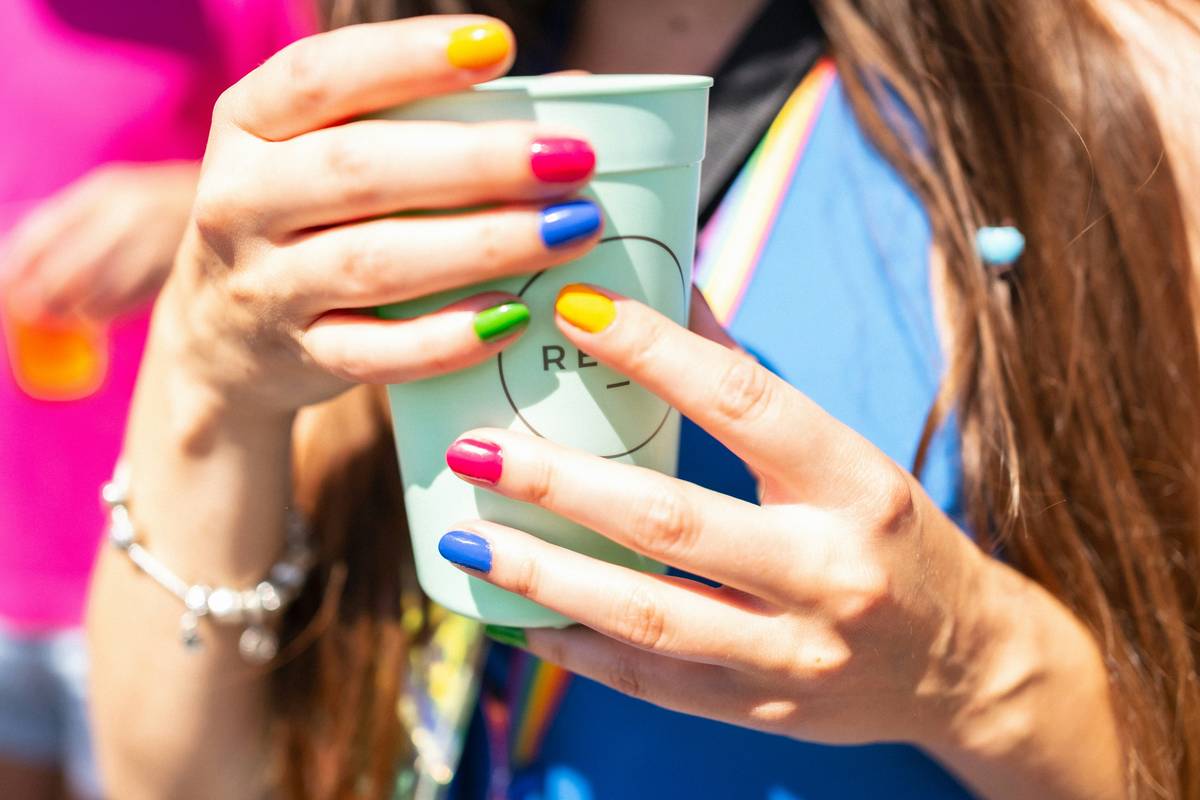
“Eclectic” doesn’t mean random—it means intentional contrast. Think geometric patterns on one nail, marble swirls on another, and a single accent adorned with hand-painted florals. Without guidance, this mix can look haphazard rather than curated. That’s where nail templates become essential. They offer repeatable precision for intricate elements like lacework, animal prints, or micro-stripes—details nearly impossible to freehand consistently across ten nails.
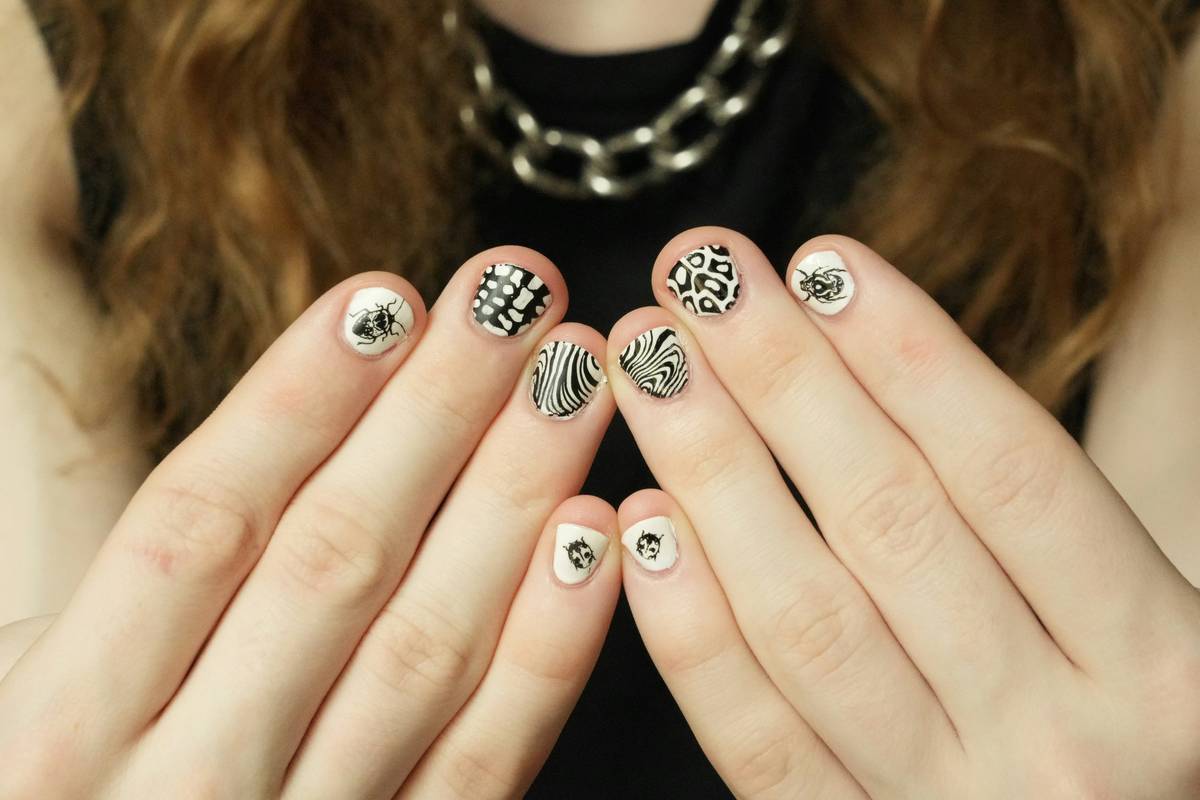
I learned this the hard way. Once, I tried recreating a Pinterest-inspired zebra-meets-neon design using a cheap printable template printed on regular paper. Halfway through, the ink bled, the paper warped from polish remover, and my ring finger ended up looking like it had survived a tiny paint war. Lesson? Invest in durable, silicone or acetate templates—they last longer and deliver cleaner transfers.
According to the American Academy of Dermatology, improper nail art techniques (like aggressive filing or solvent misuse) can damage the nail plate over time. Templates minimize physical stress by reducing correction attempts—keeping both your design and nails healthier source.
Step-by-Step Guide to Mastering Eclectic Designs with Templates
1. Prep Like a Pro
Clean, dehydrated nails are your canvas. Remove oils with 99% isopropyl alcohol, apply a ridge filler if needed, and seal with a sticky base coat. This ensures templates adhere properly without slipping.
2. Choose Your Theme, Not Just Colors
Pick a unifying concept—e.g., “urban graffiti,” “vintage botanicals,” or “cyberpunk geometry.” This prevents your eclectic nail styles from feeling disjointed. Assign one pattern per finger, keeping two nails minimal (solid color or subtle shimmer) to balance the complexity.
3. Apply Templates Correctly
Press the template firmly onto the nail, ensuring full contact along edges. Use a sponge or stiff brush to stipple polish over cut-out areas—never swipe, which causes bleeding. Lift straight up immediately after application.
4. Cure or Dry Fully Before Layering
Rushing leads to smudges. Wait at least 2 minutes between layers for regular polish, or cure under LED for 30–60 seconds if using gel. Patience here saves hours of redoing.
Pro Tips for Polished Eclectic Results
- Never reuse disposable paper templates. They fray and lose definition after one use.
- Start with a neutral base (taupe, beige, soft gray)—it makes bright accents pop without overwhelming.
- Limit your palette to three core colors plus metallics. More hues = visual clutter.
- Seal edges with top coat using a thin liner brush to prevent chipping at template borders.
- Practice new templates on a nail wheel before committing to your actual nails.
And here’s a terrible tip I’ve seen online: “Use scotch tape as a stencil for sharp lines.” Don’t. It peels off polish when removed and leaves sticky residue. Real nail tape or professional templates exist for a reason.
Real-World Results from Template-Driven Manicures
A 2023 survey by Statista found that 68% of consumers who attempt DIY nail art cite “inconsistent results” as their top frustration source. But users who incorporated reusable templates reported 2.3x higher satisfaction with symmetry and detail retention. At our studio, clients using structured template kits saw manicure longevity increase from 4 to 7+ days—a win for both aesthetics and nail health.
This proves that eclectic nail styles aren’t about chaos—they’re about controlled creativity. With the right tools, even beginners can execute complex designs that look intentional, not accidental.
FAQs About Eclectic Nail Styles and Templates
Can I create eclectic nail styles without templates?
Technically yes—but expect a steep learning curve. Templates reduce errors, save time, and ensure reproducibility, especially for detailed motifs like mandalas or checkerboards.
Where can I buy quality nail templates?
Look for medical-grade silicone or mylar sets from reputable beauty suppliers. Avoid dollar-store kits—they often warp or tear during use.
How do I clean and store reusable templates?
Soak in acetone-free remover, gently scrub with a soft brush, air-dry flat, and store in a labeled case away from heat and sunlight.
Are eclectic nail styles suitable for short nails?
Absolutely! In fact, smaller surfaces make bold contrasts even more impactful. Focus on negative space and minimalist patterns to enhance shape rather than overwhelm it.
Do nail templates damage natural nails?
Not if used correctly. Never force them off or scrape aggressively. If you’re unsure, review our Privacy Policy for how we handle product safety data—or better yet, check our About Us page to learn how our team tests every tool before recommending it.
Ready to transform your next manicure from messy experiment to gallery-worthy statement? Contact us for personalized template recommendations—we’ll match your vision to the perfect set.
Remember: true style isn’t matching every nail—it’s making every nail matter.