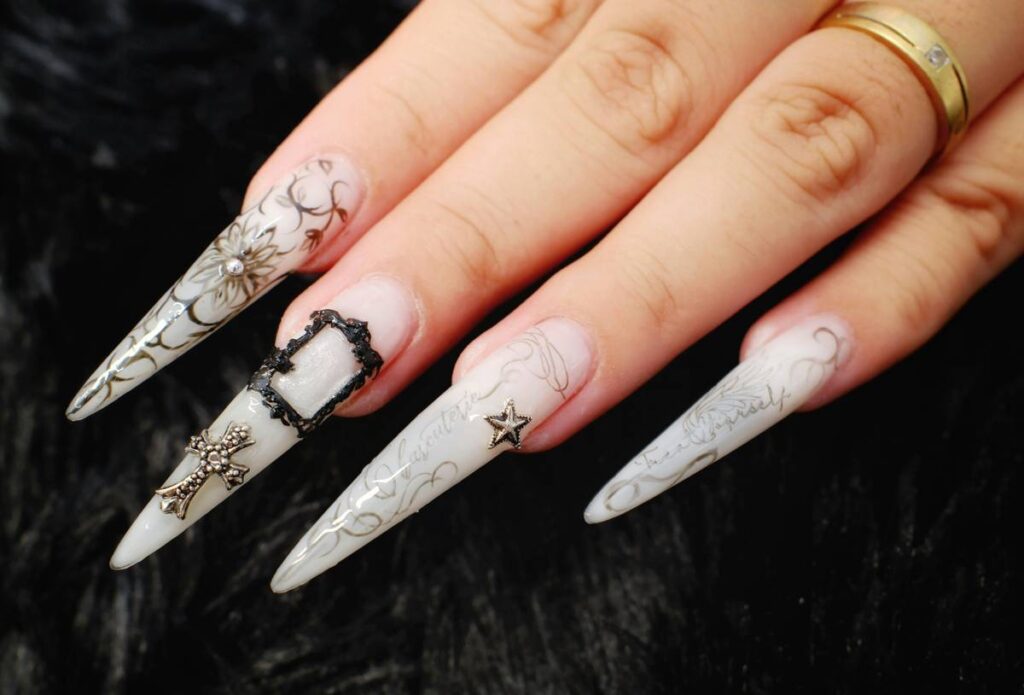
Staring at the same ten nail designs scrolling endlessly through your feed? You’re not alone. Most “nail design inspiration” online is recycled, over-filtered, and impossible to replicate without a pro’s toolkit. The result? Frustration, wasted polish, and nails that look nothing like the glossy promises. But what if you could craft original, camera-ready designs—without spending hours or hiring an artist?
Why generic nail templates fail (and drain your confidence)
Templates promise speed. They rarely deliver precision. Pre-cut stickers peel at the edges by day two. Stencils slip with the slightest tremor—especially on curved nail beds. And digital overlays? Gorgeous on Instagram, useless in real life unless you’ve got airbrush gear and UV-cured gel.
Here’s the reality: mass-produced nail design inspiration ignores anatomy. Your nail shape, cuticle line, and even hand dominance affect how a motif lands. A floral stamp that looks divine on an almond-shaped nail turns chaotic on a short square. No algorithm accounts for that.
nail design inspiration: your 5-step system for original, durable art
Forget cookie-cutter guides. This method starts with *your* hands—not someone else’s Pinterest board.
Step 1: Audit your natural canvas
Trace each nail on parchment paper. Note asymmetries, ridges, or curves. This isn’t extra work—it’s targeting. A half-moon design on a stiletto will sit differently than on a coffin. Adjust proportions *before* you pick up a brush.
Step 2: Build a mood board from non-nail sources
Scroll past manicure accounts. Instead, pull motifs from architecture, fabric swatches, or vintage packaging. That Art Deco wallpaper? It translates beautifully into minimalist geometric tips. 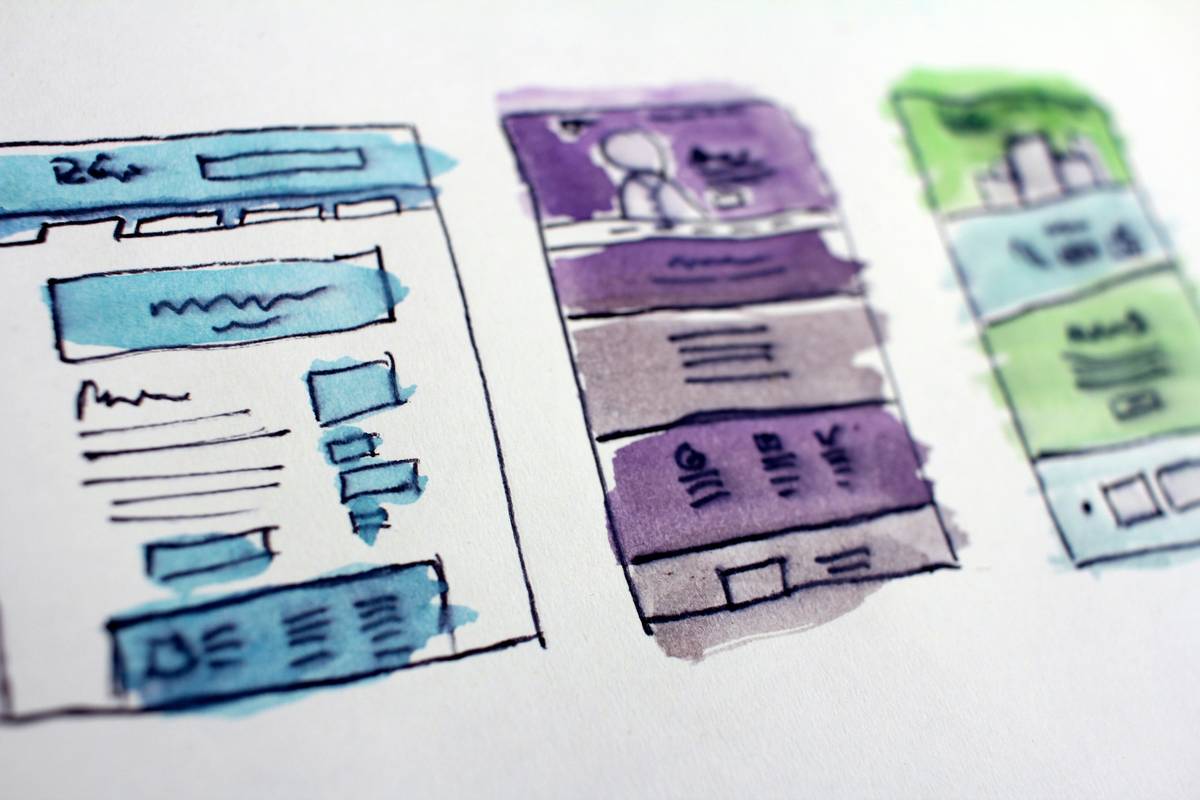
Step 3: Choose your tool based on longevity—not trends
Stamping gives sharp lines but chips fast. Hand-painting takes practice but bonds deeper with base coats. Decals look slick but lift with dishwater. Match your lifestyle to your method.
| Technique | Durability (Days) | Beginner-Friendly? | Cost per Set |
|---|---|---|---|
| Hand-Painted with Acrylics | 10–14 | No (requires steady hand) | $1.50–$3 |
| Stamping Plates + Polish | 5–7 | Yes | $0.80–$2 |
| Premium Vinyl Decals | 3–5 | Very | $2–$5 |
| Freehand with Nail Pens | 7–10 | Moderate | $1–$2.50 |
Step 4: Seal with strategy
A single top coat won’t cut it for 3D elements or glitter gradients. Use a ridge-filling base, then a quick-dry sealant, then—24 hours later—a matte or gloss finisher. Layering prevents shrinkage cracks.
Step 5: Document your wins (not just the ‘gram)
Photograph under daylight *and* indoor lighting. Keep a private log of what held up after washing dishes, typing, or gym sessions. Real-world testing beats viral aesthetics every time. 
The industry secret: pros steal from interior design—not nail blogs
Top nail artists I’ve worked with don’t refresh nail design inspiration feeds. They haunt Restoration Hardware showrooms and study Pantone’s seasonal interiors palette. Why? Because wall textures, tile grout lines, and fabric weaves offer scalable, organic patterns that adapt seamlessly to tiny surfaces.
One veteran told me she sketched her award-winning “Concrete Vein” set after staring at a Brutalist building’s rain-streaked facade. The key? Negative space. Most amateurs overcrowd nails. Pros treat each nail like a micro-gallery—curating emptiness as fiercely as pigment. Less isn’t minimal. It’s intentional.
Frequently Asked Questions
How do I make nail designs last longer without gel?
Use a rubberized base coat, cap the free edge with top coat, and reseal every third day. Avoid soaking hands—pat dry instead.
Can I reuse nail stencils or templates?
Only if they’re mylar or metal. Paper and vinyl degrade after one use. Wash metal stencils immediately with acetone to prevent clogging.
Where do professionals get unique nail design inspiration?
From non-beauty sources: masonry, embroidery, even circuit boards. Cross-industry references avoid clichés and spark originality.